
Mukhiyajee Reporter | Patna
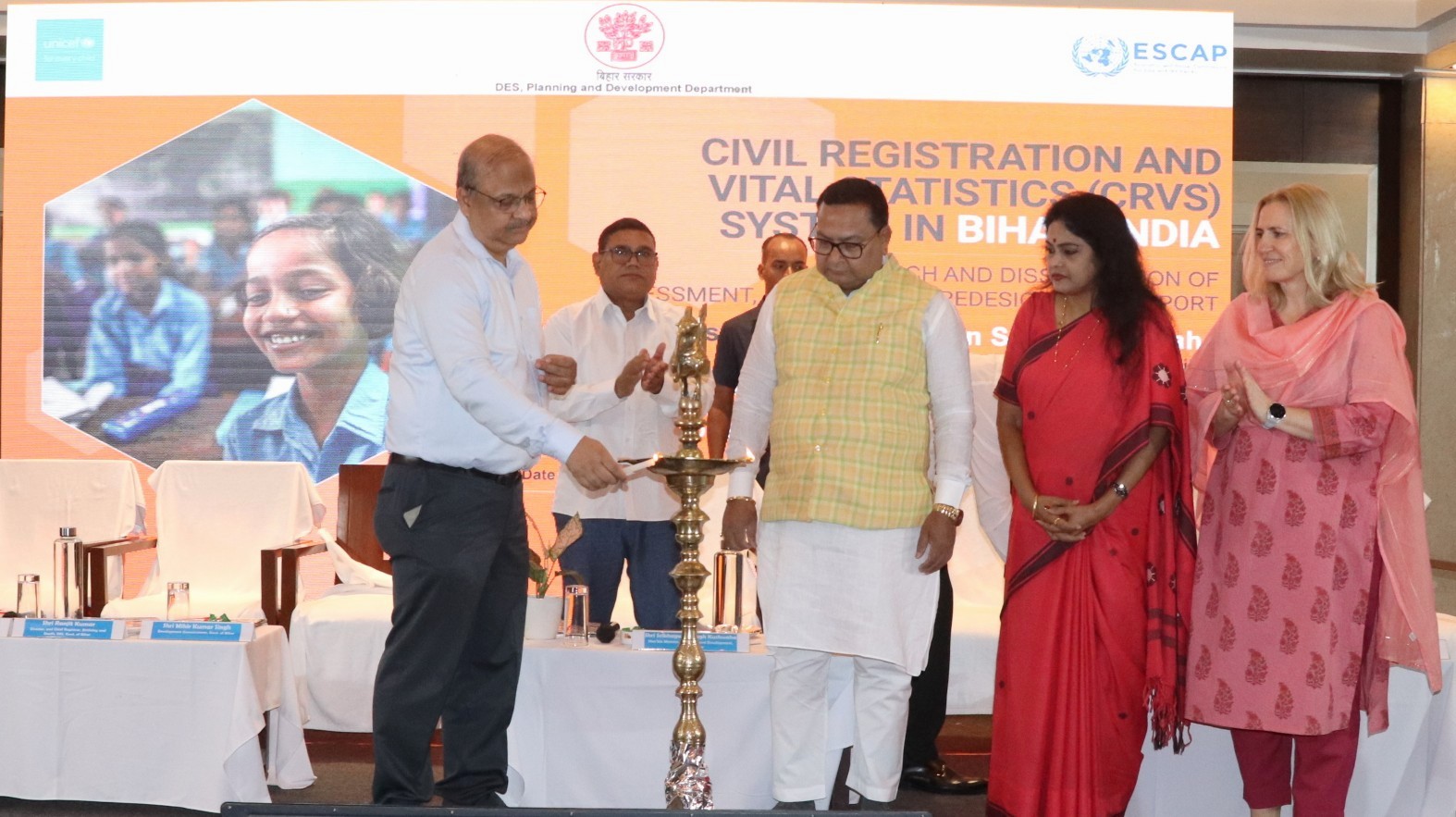
The Bihar government unveiled a comprehensive roadmap to strengthen the state’s Civil Registration and Vital Statistics (CRVS) system, with a focus on ensuring universal, timely and people-centric registration of births and deaths. The roadmap was presented during a dissemination workshop on the Assessment, Analysis and Redesign (AAR) Report for Strengthening CRVS in Bihar, organised by the Directorate of Economics and Statistics (DES), Government of Bihar, in collaboration with the United Nations Children’s Emergency Fund (UNICEF) and the United Nations Economic and Social Commission for Asia and the Pacific (UNESCAP).
The Assessment, Analysis and Redesign (AAR) Report and a Policy Brief on strengthening Bihar’s Civil Registration and Vital Statistics (CRVS) system – recommends decentralising registration services to the Gram Panchayat level by designating Panchayat Secretaries as Registrars, engaging frontline workers such as Anganwadi Workers, ASHAs and Jeevika Didis as event notifiers, strengthening public awareness campaigns, institutionalising standard operating procedures (SOPs), improving monitoring systems through real-time dashboards and integrating birth registration with hospital discharge processes. The report further recommends addressing staffing shortages, improving technical capacity and enhancing the quality of mortality data through better medical certification of causes of death.
Addressing the event, Shri Sribhagwan Singh Kushwaha, Hon’ble Minister, Planning and Development Department, Government of Bihar, underscored the importance of universal birth and death registration in safeguarding citizens’ rights and strengthening governance. He urged officials to intensify awareness efforts, particularly in rural and remote areas, to ensure that people are informed about the significance of registration and the processes through which these services can be accessed. Citing the example of village-level population enumeration that helped improve the delivery of benefits under the Aawas Yojana, the Minister highlighted how accurate and timely birth and death registration data can enhance public service delivery, enable better policy planning and ensure that welfare programmes reach those who need them most. He also appreciated UNICEF’s continued support to the department and its contributions towards advancing the well-being of children and adolescents across Bihar.
Mr Mihir Kumar Singh, Development Commissioner, Government of Bihar, underscored the importance of strengthening the state’s birth and death registration system as a cornerstone of reliable data and evidence-based governance. He stressed the need to bring private healthcare providers, including doctors and clinics, into the registration framework to ensure that births and deaths are recorded at the point of occurrence. He also highlighted the need to explore regulatory measures to achieve universal registration, particularly for non-institutional births through Panchayati Raj Institutions. Appreciating the technical support provided by UNICEF and UNESCAP, he noted that strengthening CRVS systems is critical for improving governance, planning and service delivery across the state.
Delivering the keynote address, Dr N. Vijayalaxmi, Additional Chief Secretary, Planning and Development Department, Government of Bihar, underscored that timely and accurate registration of births and deaths is not only a critical public service but also the foundation of reliable data for evidence-based policymaking and effective governance. She noted that while civil registration has evolved significantly since Independence, the focus must now be on making the system more accessible, efficient and citizen-centric. Emphasising that awareness generation alone will not be sufficient, she called for stronger inter-departmental coordination, streamlined processes, standardised protocols and supportive regulatory frameworks, particularly in collaboration with the Education Department, to ensure universal and timely registration across the state.
Dr Monika Nielsen, Chief, UNICEF Bihar, congratulated the Government of Bihar for achieving over 90 per cent birth registration coverage, describing it as a significant milestone in strengthening the state’s civil registration system. She noted that the focus must now shift towards ensuring that every birth and death is registered completely, accurately and on time. Emphasising the need to make registration services more accessible and citizen-centric, she called for stronger community-level outreach and greater coordination across departments. She highlighted that timely and reliable civil registration data is critical for securing legal identity, protecting rights and enabling effective planning and service delivery. Reaffirming UNICEF’s partnership with the state, she expressed confidence that Bihar can emerge as a model for universal and timely registration of births and deaths.
Presenting the report findings, officials highlighted several key challenges, including low completeness of birth and death registration, delays in registration processing, inadequate public awareness, staffing shortages, weak coordination mechanisms and barriers faced by families in accessing registration services. The workshop concluded with discussions on priority actions and implementation pathways that will feed into the development of SOPs and a long-term strategic plan for CRVS reforms in Bihar. Officials expressed confidence that the proposed measures would accelerate progress towards universal and timely registration of births and deaths across the state. The vote of thanks was delivered by Mr Ranjit Kumar, Director and Chief Registrar of Births and Deaths, Directorate of Economics and Statistics, Government of Bihar.




Related Posts
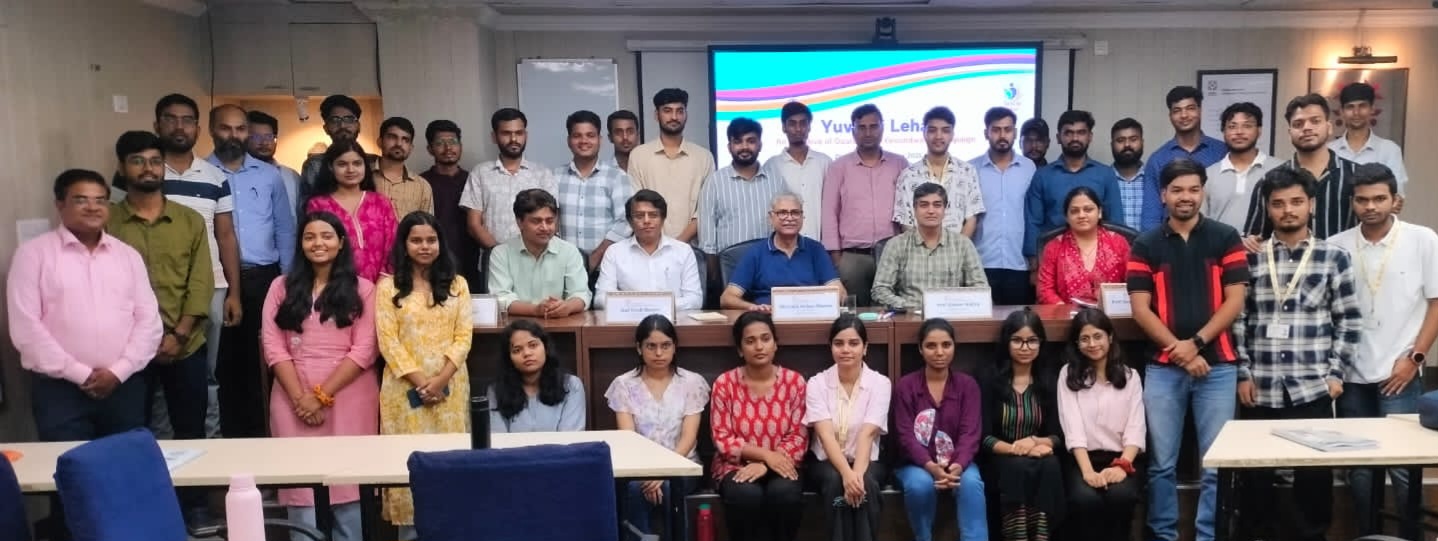
‘Yuva Ki Lehar’ Inspires Students to Conserve Groundwater
PATNA (MR) : Water For People India, under its flagship Guardians of Groundwater Campaign, in collaboration with the Development Management…
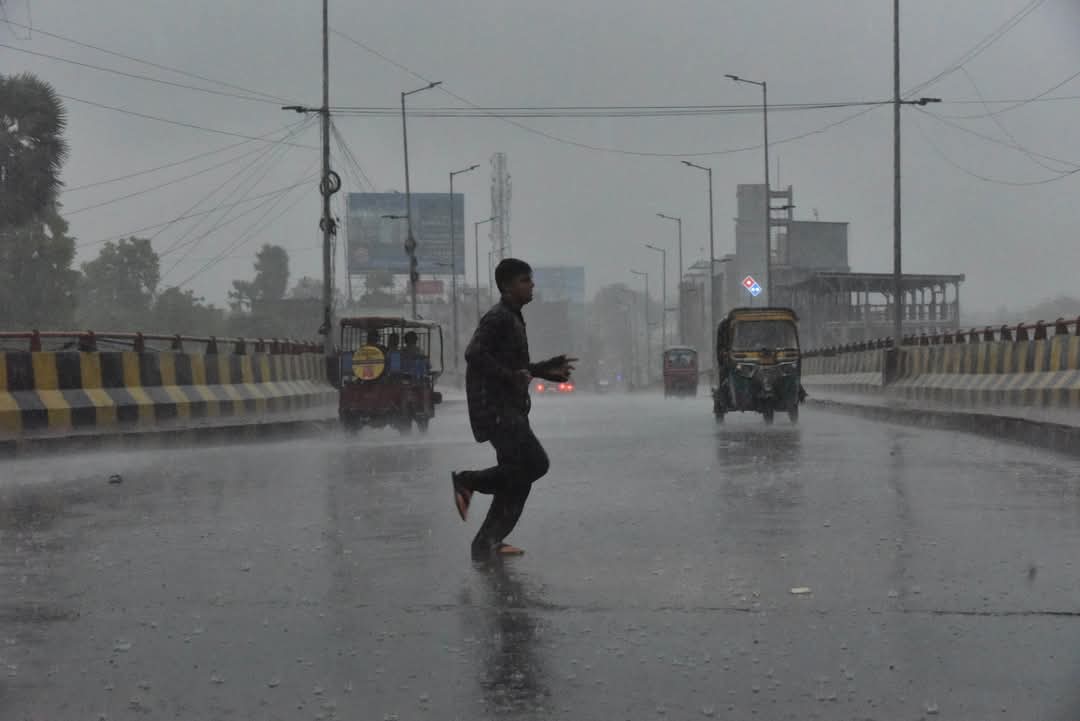
Storm and Rain Grip Bihar: Patna’s Downpour Captured in 10 Stunning Pictures by Sachin
PATNA (MR): Entire Bihar has come under the grip of storms and rain. The Meteorological Department has issued an alert…
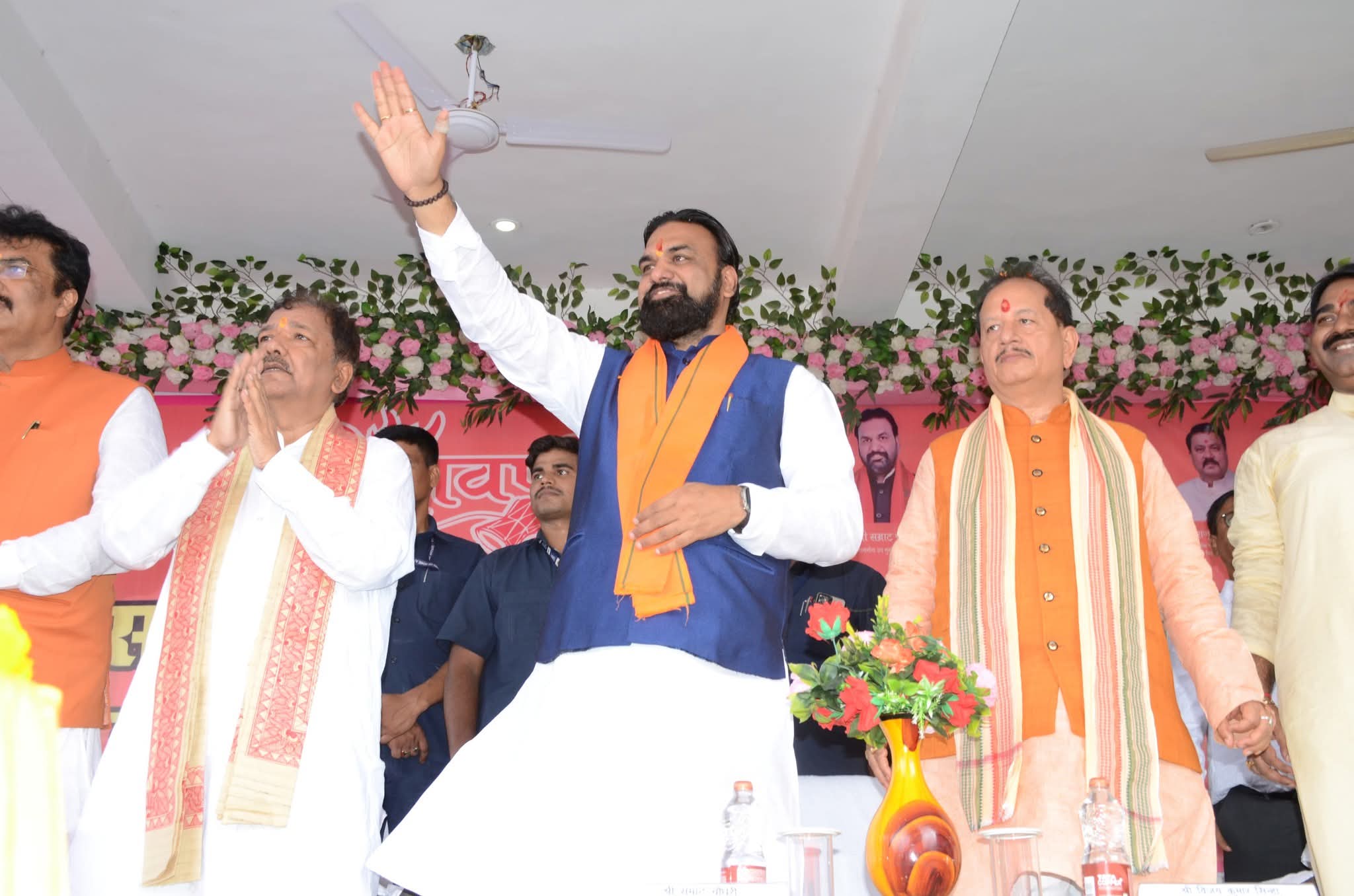
Shravani Mela Inaugurated by Deputy CM Samrat Choudhary at Sultanganj in Bihar
PATNA / SULTANGANJ (MR): The world-famous Shravani Mela 2025 was grandly inaugurated today at the Namami Gange Ghat (Jahaj Ghat)…